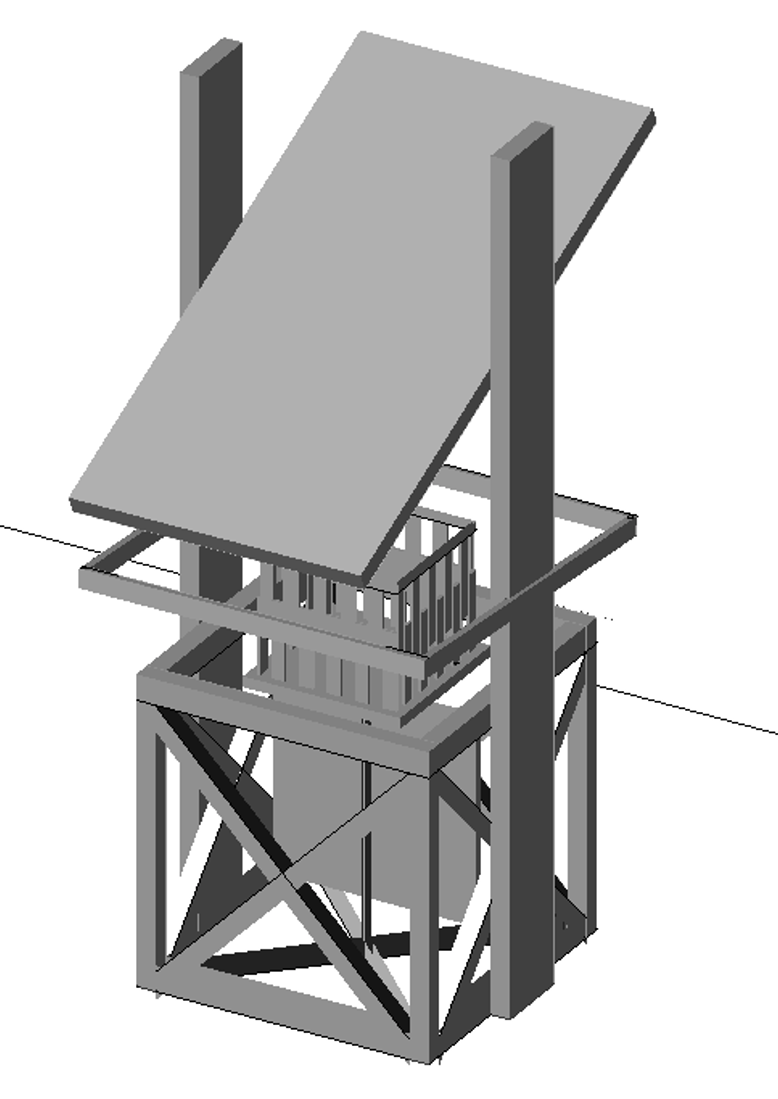
Klutsis Propoganda Kiosk Model, 2012
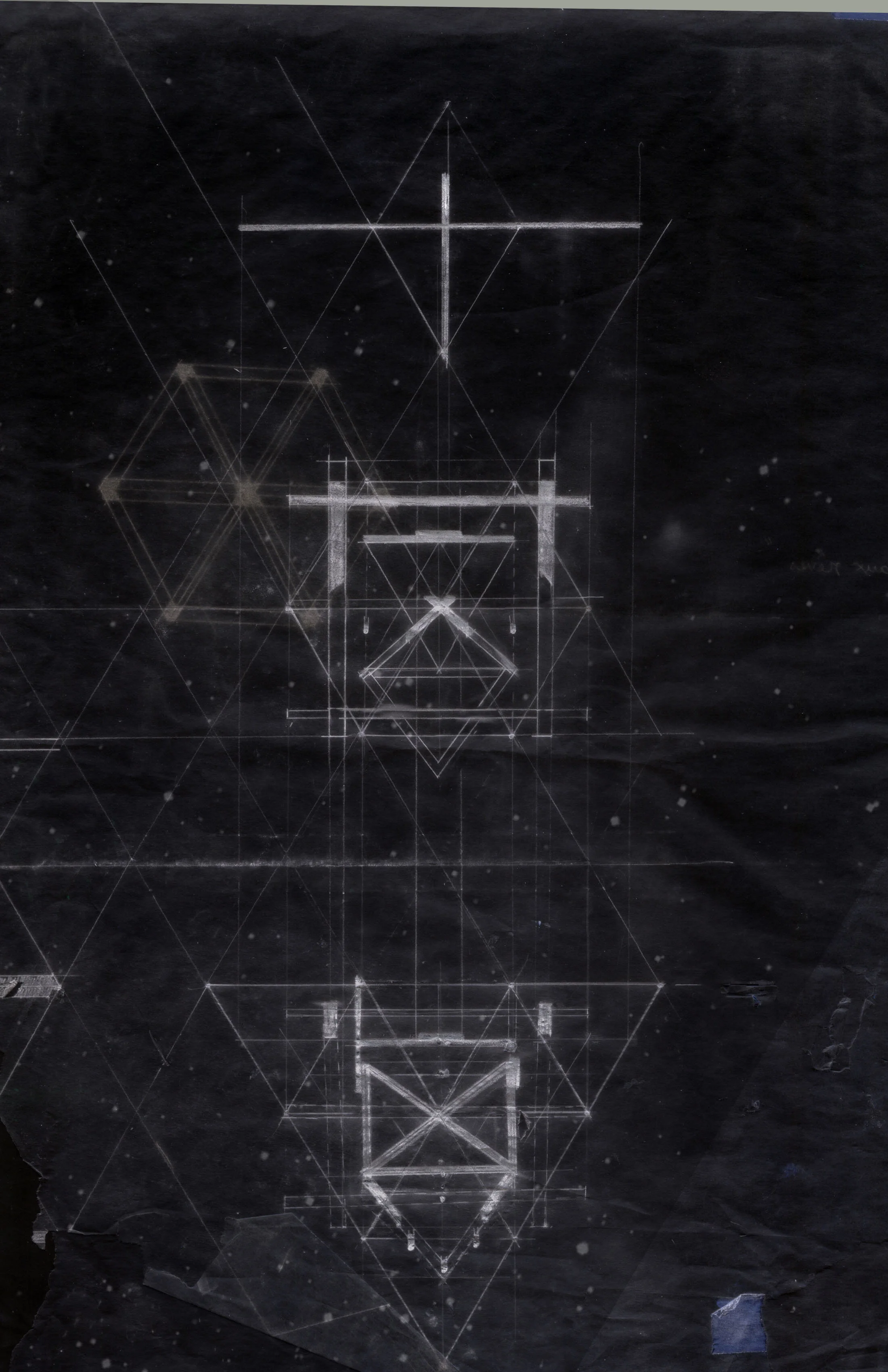
“Propaganda Kiosk” 2012

“Schizophrenic Crossroad” 2013
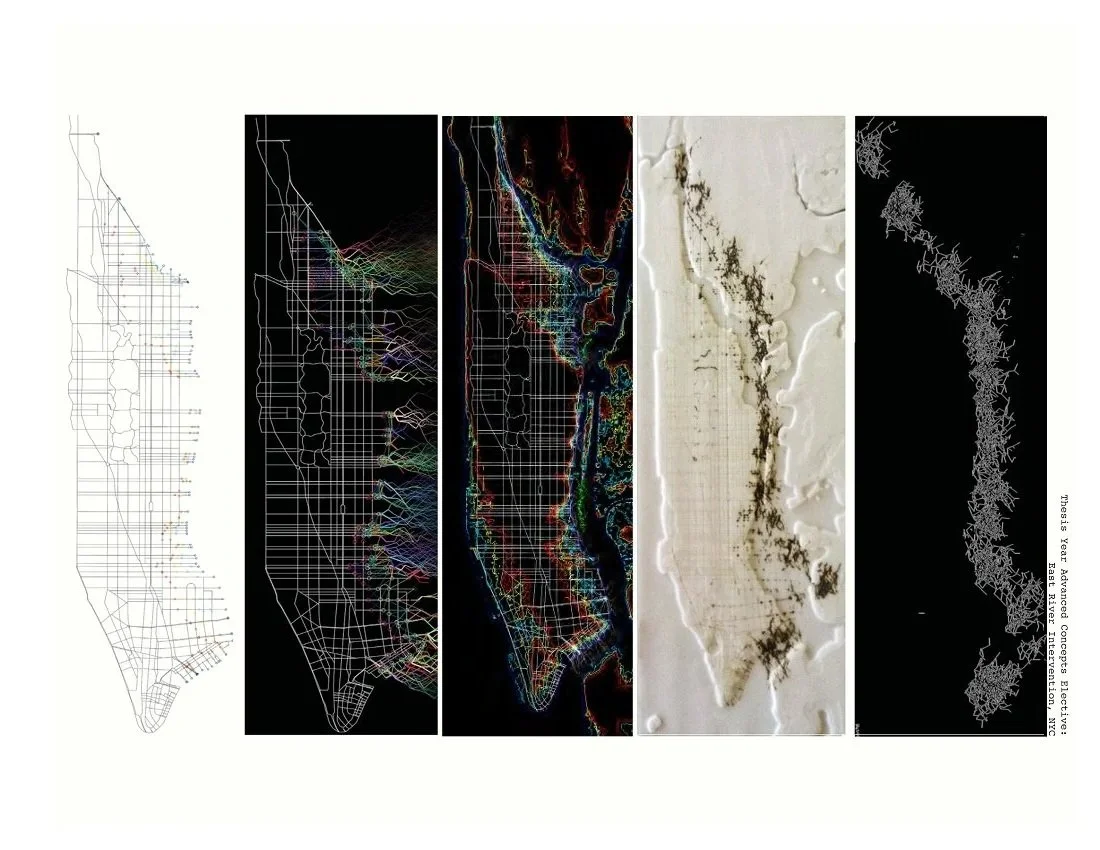
East River Nodes, 2012
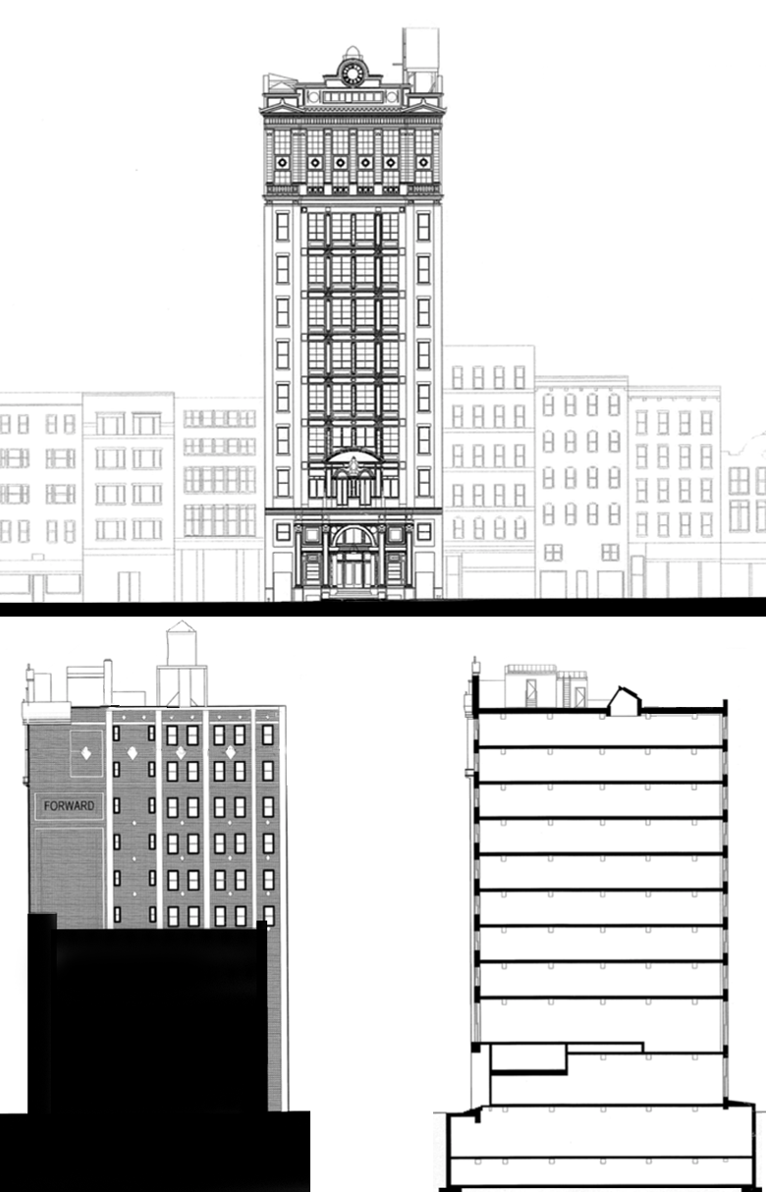
The Forward Building
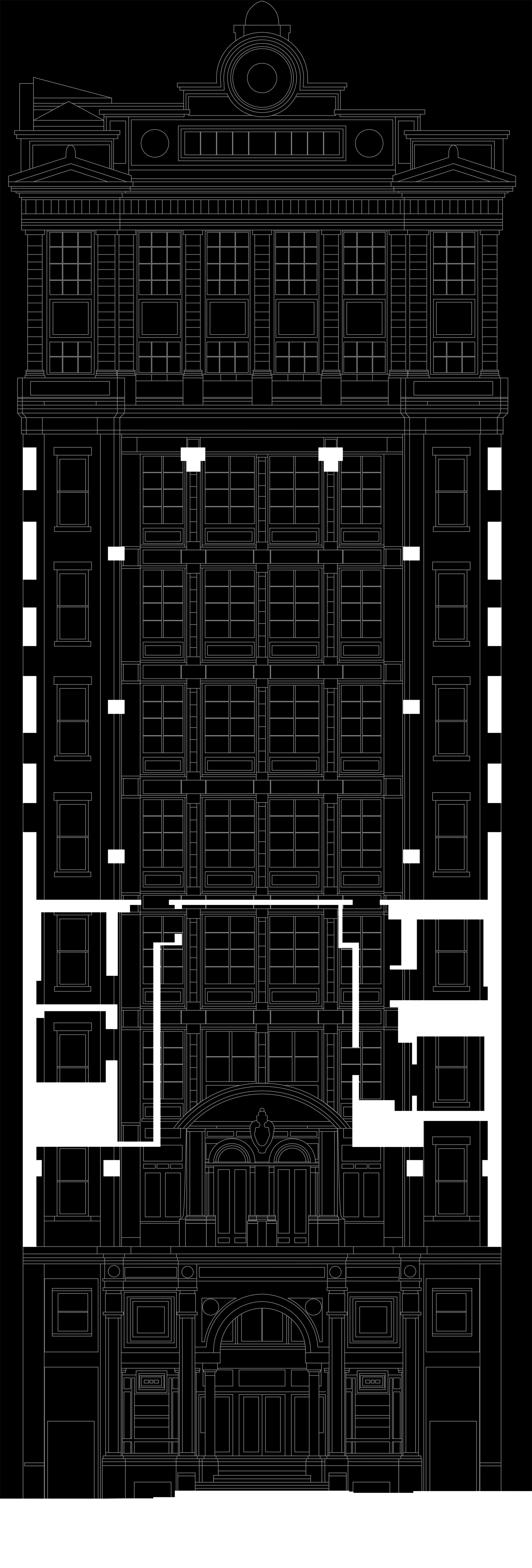
The Forward Building - Structural Analysis
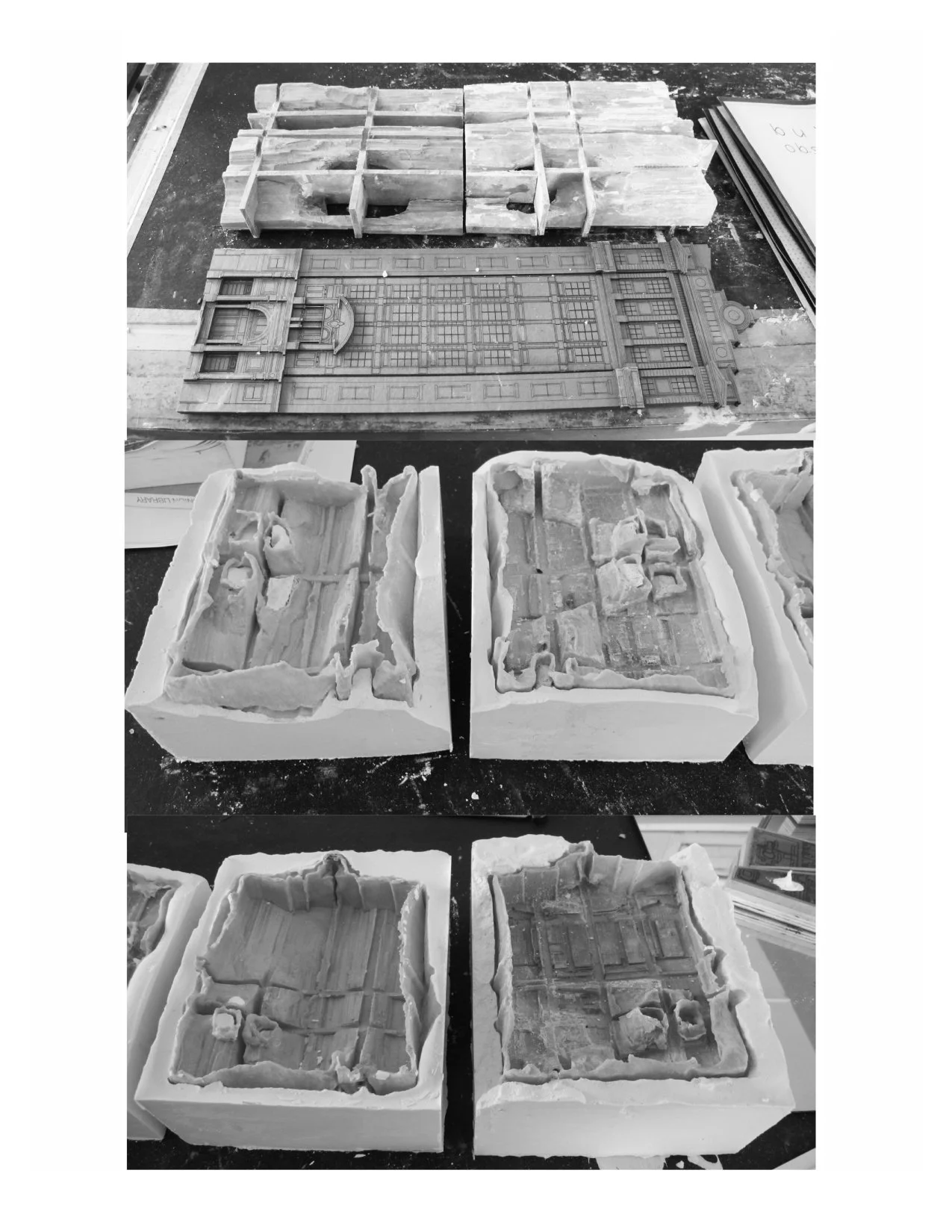
“Skin of the Forward Building” 2013
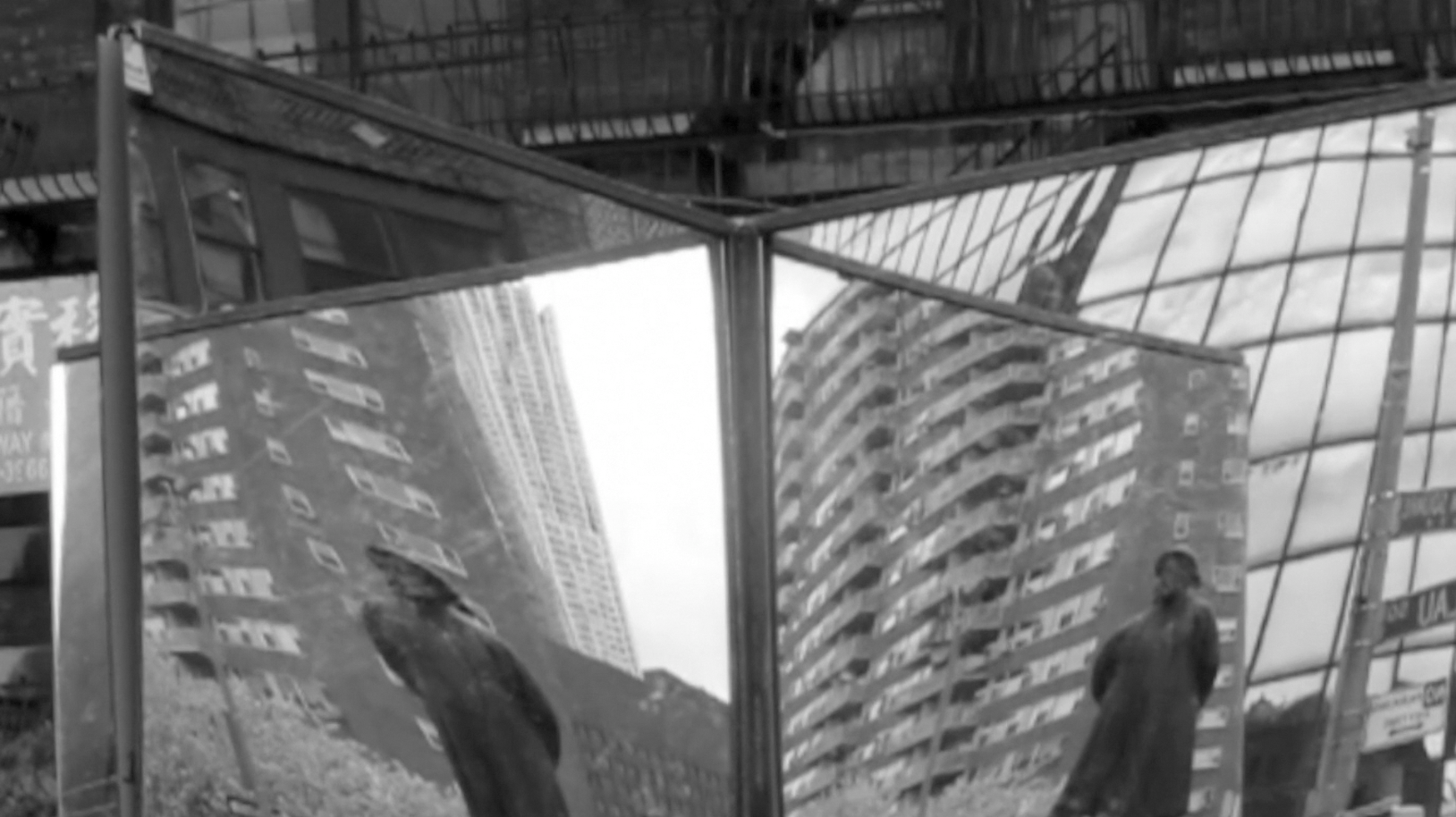
Film Still of “Schizophrenic Crossroad, Chinatown Manhattan” 2013
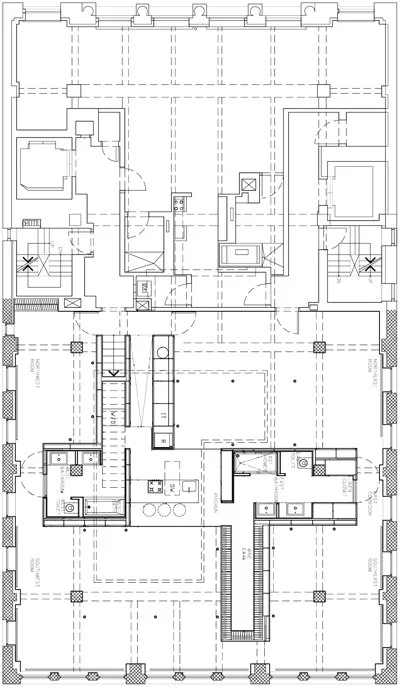
Forward Building Plan
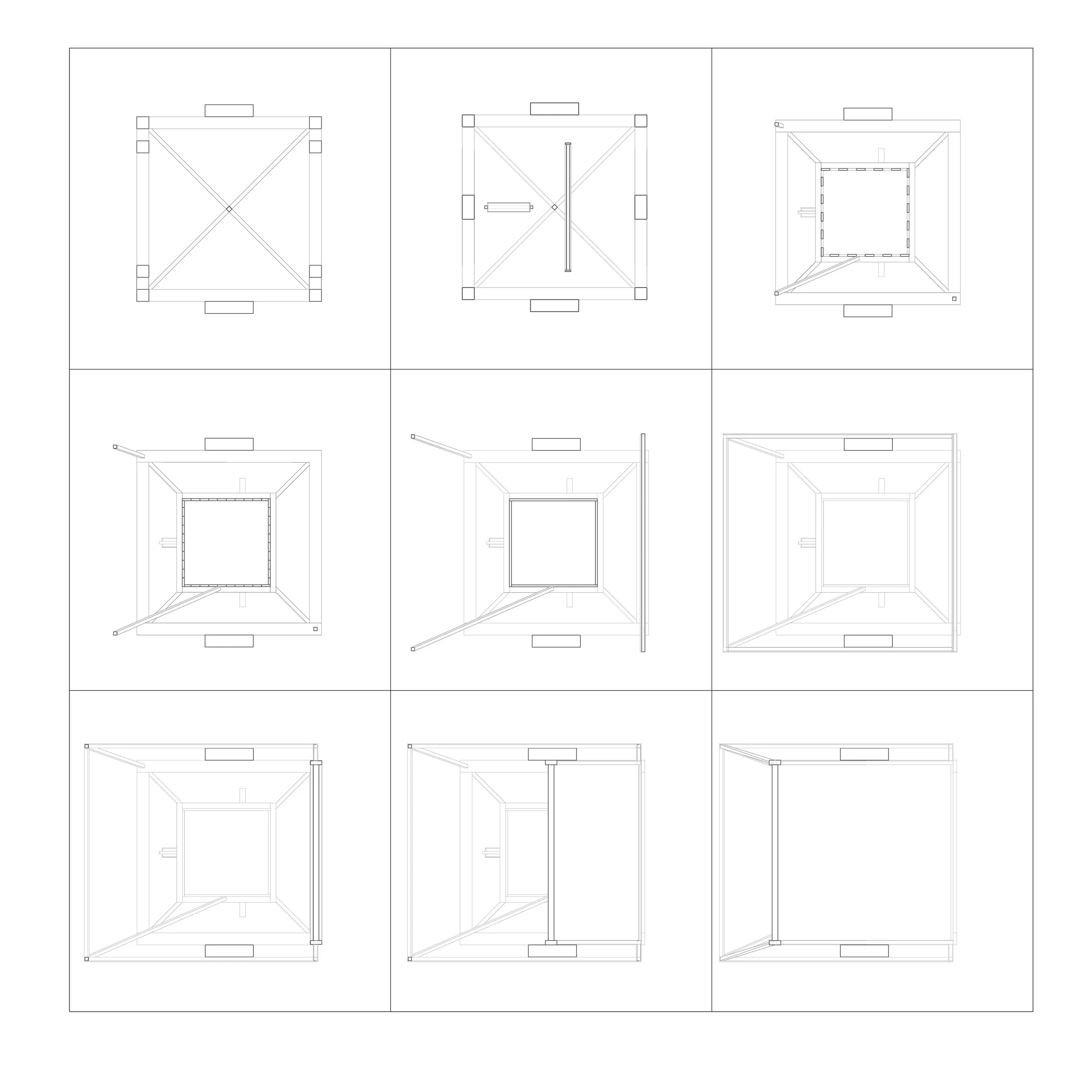
Klutsis Propaganda Kiosk Analysis 2012
THE SCHIZOPHRENIC MEMORY OF
CHINATOWN, MANHATTAN
NAAB Bachelor of Architecture Thesis
May 2013
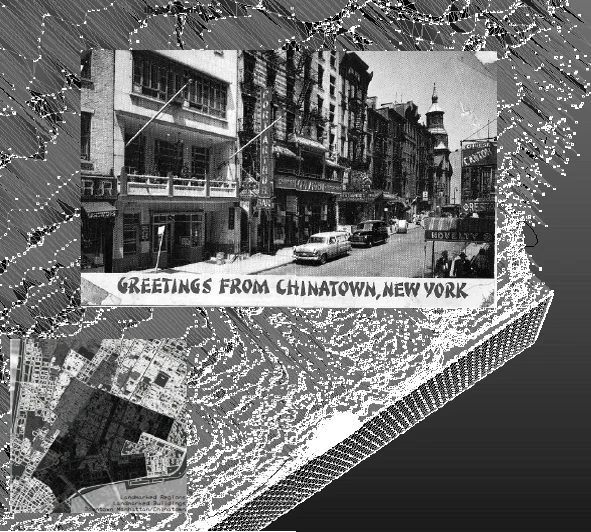
2013 Chinatown Postcard
Facade as Reified Signifier: Historic Preservation & the Production of a Schizophrenic Urban Memory
Abstract
Contemporary historic preservation practices in the United States—particularly those which are commodified—produce a fragmented relationship between architectural form and historical meaning. Drawing on Fredric Jameson’s account of ‘schizophrenia’ as a cultural logic of postmodernity, this paper argues that facade preservation isolates architectural signifiers from their socio-historical contexts, resulting in reified images that simulate continuity while masking rupture. This simulation of continuity operates not merely as an aesthetic condition but as a political instrument, shaping collective memory through selective representation. Through an analysis of three sites operating at different scales: Chinatown, Manhattan as a socio-economic enclave, the Forward Building as an architectural artifact within the enclave, and The Cooper Union as an institutional framework, which historically served the neighborhood—this paper demonstrates how preservation constructs commodified narratives of history. These narratives function less as vehicles of historical continuity and more as instruments of cultural and political production, reinforcing a built environment in which history is encountered as image rather than lived process.
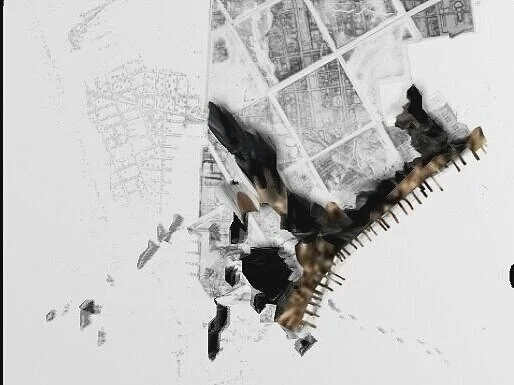
2013 “Layered Past of Lower Manhattan”
Introduction
Historic preservation in the United States is commonly understood as a practice of safeguarding cultural memory. Yet, the mechanisms through which preservation operates—particularly the emphasis on facade restoration—raise critical questions about the nature of the “history” being preserved. This paper argues that preservation, as institutionalized through federal standards and local landmarking practices, produces not continuity but a mediated representation of the past. By privileging the visual surface of architecture, preservation frameworks detach form from program, image from memory, and signifier from signified. The result is a built environment composed of legible yet discontinuous fragments. To theorize this condition, the paper adopts Fredric Jameson’s concept of schizophrenia as a breakdown in the signifying chain—a condition in which meaning is no longer produced through temporal continuity but through isolated, reified images.¹
Schizophrenia, Temporality, and Reification
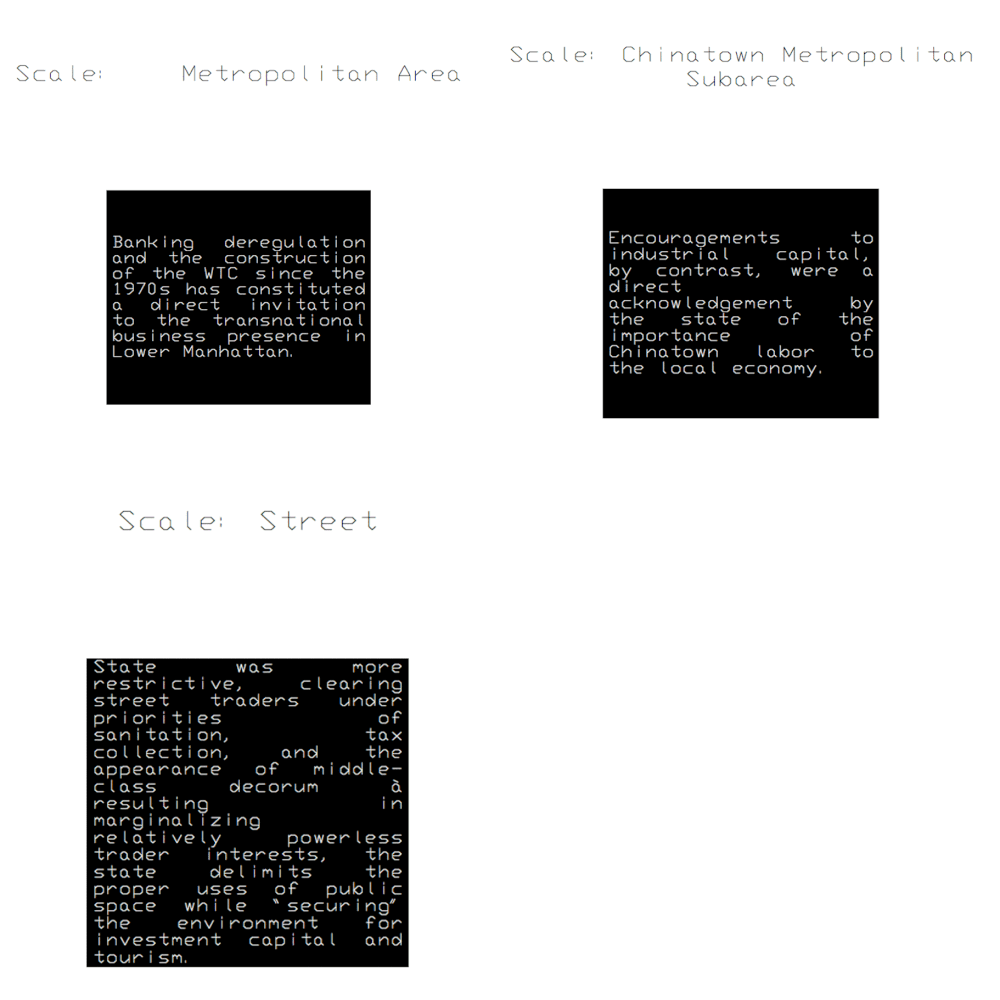
History of Chinatown Manhattan Research at Three Scales
In Postmodernism, or, The Cultural Logic of Late Capitalism, Jameson reframes schizophrenia as a cultural and linguistic condition rather than a clinical diagnosis.² Schizophrenia describes the inability to link signifiers into a coherent temporal sequence, resulting in a perpetual present in which meaning is derived from isolated signs. This framework builds upon the psychoanalytic theory of Jacques Lacan, for whom identity emerges through structured relations within language.³ Temporality—and thus identity—depends on the continuity of signification. When this continuity collapses, signifiers become reified: they appear self-contained, detached from relational meaning. An alternative formulation is offered by Gilles Deleuze and Félix Guattari in Anti-Oedipus.⁴ For them, schizophrenia represents not only fragmentation but also a productive force that resists imposed structures of meaning. However, when applied to the built environment, this potential multiplicity is often curtailed. Preservation frameworks do not sustain open-ended processes of meaning production; rather, they stabilize them into fixed representations. Thus, if Deleuze and Guattari locate schizophrenia in flows and multiplicity, preservation arrests those flows into image—transforming process into surface. In this respect, the built environment aligns more closely with Jameson’s account of reification.
Preservation as a System of Signification


Historic preservation operates as a system that organizes relationships between architectural form and cultural meaning. In practice, however, this system privileges visual continuity over material and social continuity. Federal frameworks such as the Secretary of the Interior’s Standards emphasize the retention of exterior features as primary indicators of historical integrity.⁵ This emphasis establishes the facade as a separate and dominant carrier of meaning, producing a disjunction between representation and lived experience. As Edward Winters argues in Aesthetics and Architecture, architecture cannot be reduced to appearance alone; its meaning arises through the integration of form, use, and cultural context.⁶ When preservation isolates the facade, this integration is disrupted. The building is encountered as an image rather than a spatial and temporal construct. The preserved facade thus functions as an autonomous signifier—legible yet disconnected from the historical processes it represents.
Chinatown and the Production of Cultural Image
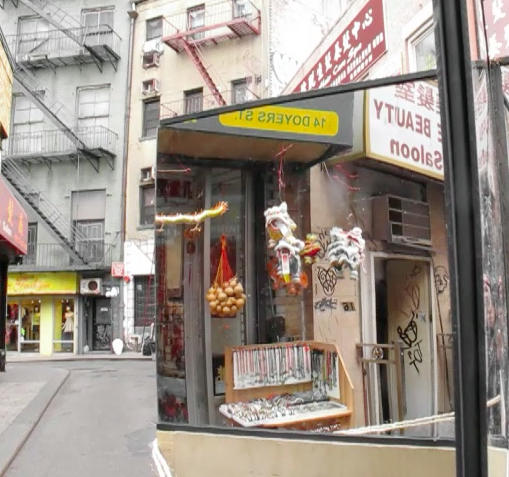
“Doyers Stret” 2012
The dynamics described above are particularly visible in Chinatown, Manhattan, where preservation intersects with tourism, labor history, and global capital to produce a highly mediated urban identity. Chinatown’s formation in the late nineteenth and early twentieth centuries was shaped by exclusionary immigration policies and labor demands. Following the Chinese Exclusion Act, Chinese immigration was severely restricted, producing a demographic pattern dominated by men. These early migrants—often referred to as “bachelor societies”—arrived primarily to work in low-wage industries, including garment manufacturing, laundries, restaurants, and small-scale factories embedded within or adjacent to the neighborhood. Throughout the early and mid-twentieth century, Chinatown functioned as both an enclave of necessity and a site of resilience. Its spatial density and internal networks enabled survival under conditions of legal and economic marginalization. However, these same conditions also rendered the neighborhood vulnerable to external restructuring.
Following the passage of the Immigration and Nationality Act of 1965, immigration patterns shifted. Family reunification became possible, leading to a diversification of household structures and a gradual transformation of the enclave from a bachelor society to a more stable, multi-generational community. At the same time, the neighborhood expanded geographically, incorporating adjacent areas while maintaining its identity as a cultural and economic hub.
Beginning in the late twentieth century, however, broader economic changes altered Chinatown’s material foundation. Manufacturing declined significantly across New York City, including within Chinatown’s garment industry, which had long provided employment for immigrant labor. As industrial production diminished, tourism and service economies expanded. Real estate investment—both domestic and transnational—further accelerated these changes.
In this context, a visual language of cultural identity became increasingly prominent. Architectural motifs, signage, and preserved facades were amplified as legible markers of “Chineseness,” producing a recognizable image of the neighborhood for external audiences. These markers, while grounded in cultural expression, operate as signifiers within a curated narrative. They translate complex histories of migration, labor, and community formation into a set of visual cues that can be easily consumed. The lived realities of overcrowded housing, labor exploitation, and shifting economic conditions are not erased but are rendered secondary to the image of cultural continuity. Thus, Chinatown becomes a site where identity is both produced and performed through representation. The neighborhood’s historical depth—its formation through exclusion, labor, and adaptation—is condensed into a visual field that suggests continuity while masking discontinuity.
The Forward Building and the Disjunction of Meaning
The Forward Building provides a precise architectural instance through which the relationship between labor, migration, and reification can be examined at the scale of a building.
Constructed in 1912 as the headquarters of the Yiddish-language newspaper The Forward (Forverts), the building functioned as both a media institution and a political platform. Founded in 1897, the paper served Eastern European Jewish immigrants—many of whom had settled in the Lower East Side—and became one of the most influential socialist publications in the United States. It advocated for labor rights, unionization, secular education, and social reform, addressing a readership composed largely of garment workers, factory laborers, and tradespeople.
The workers and readers associated with The Forward typically lived within walking distance of the building. The Lower East Side at the turn of the twentieth century was among the most densely populated urban districts in the world, characterized by tenement housing, overcrowded conditions, and proximity to industrial workplaces. Like the later Chinese immigrant populations of Chinatown, Jewish immigrants formed dense social and economic networks in which residence, labor, and political life were tightly intertwined.
The Forward Building itself was financed and operated by a collective aligned with socialist principles, and its architecture reflected these ideological commitments. The facade prominently features relief portraits of Karl Marx and Friedrich Engels, embedding a political vocabulary directly into the architectural surface. These figures functioned not merely as decoration but as signifiers of a broader ideological project—one rooted in labor solidarity and class consciousness.
Spatially, the building occupies a critical position along East Broadway, a corridor historically understood as a threshold between the Jewish Lower East Side and what would later become Chinatown, Manhattan. Over time, as Jewish populations moved outward to other boroughs and suburbs in the mid-twentieth century, Chinese immigrant communities expanded into these adjacent areas, inheriting and transforming the existing urban fabric.
This overlapping geography establishes a layered relationship between neighborhoods often treated as distinct. The Lower East Side, Chinatown, and what is now colloquially referred to as “Dimes Square” are not discrete zones but historically contiguous territories shaped by successive waves of migration, labor economies, and cultural production. “Dimes Square,” a contemporary designation centered around Canal Street and Division Street, reflects recent patterns of cultural branding, nightlife economies, and real estate speculation—superimposed onto this historically immigrant landscape.
Within this context, the Forward Building now operates as a hinge between temporal and cultural regimes. Once embedded in a Yiddish-speaking socialist milieu, it now sits within a rebranded urban environment that caters to a different demographic and economic logic. Its current integration into the fabric of so-called “Dimes Square” underscores the transformation of the area from a site of immigrant labor and political organizing to one of cultural consumption and capital investment.
Today, the building functions as luxury residential property. This shift mirrors broader patterns of gentrification across the Lower East Side and Chinatown, where rising land values and redevelopment have displaced or transformed long-standing communities and economic practices. The disjunction is therefore both architectural and socio-economic. The facade continues to signify labor, collectivism, and social equality, while the building’s present use aligns with privatization and capital accumulation. The original occupants—immigrant workers who lived nearby, often in precarious conditions—have been replaced by residents whose relationship to the neighborhood is structured less by labor and more by consumption.
This condition exemplifies reification. The facade persists as a legible historical signifier, yet it no longer participates in the social and material relations it represents. Instead, it functions as an image—detached, stabilized, and available for interpretation independent of lived continuity. At the scale of the city, this transformation reflects the broader restructuring of immigrant neighborhoods under late capitalism. At the scale of the building, it produces a fractured historical condition: a single object that simultaneously communicates multiple, incompatible temporalities. The Forward Building thus operates not only as a preserved artifact but as a site where historical meaning is both maintained and displaced—its surface anchoring a narrative that its interior and present use no longer sustain.
The Cooper Union and Reflexive Production of Identity
The theoretical framework of this paper is informed by a design thesis developed at The Cooper Union between 2012 and 2013, which itself operated within the very condition it sought to critique. If, following Fredric Jameson, the schizophrenic tendency is characterized by the construction of identity through isolated signifiers, then the thesis can be understood as a product of its immediate representational environment—an attempt to construct coherence through analogy and image. Within that thesis, the Forward Building functioned as an analogue for The Cooper Union. Both institutions historically signified social reform, labor consciousness, and accessible education. Yet both have undergone transformations that complicate this legacy.
“While Eve waited
Inside of Adam
She was his
Structure
Her volume
Filled him
His skin hung
On Eve’s form
When God
Released her
From Adam
Death rushed in
Preventing collapse”
Founded in 1859 by Peter Cooper, The Cooper Union was established as a radical educational project: a tuition-free institution intended to provide working-class men and women access to education in art. Located at the intersection of the Lower East Side and the East Village, the institution was embedded within a dense immigrant and laboring population. Its founding premise—that education should be “as free as air and water”—positioned it as a material and ideological extension of nineteenth-century reform movements, including labor advocacy and public access to knowledge.
For much of its history, The Cooper Union functioned as a site where working-class students could access elite forms of education without tuition, often while living in close proximity to the school or commuting from nearby boroughs. Like the immigrant workers associated with the Forward Building, many students navigated the institution alongside economic constraint, balancing education with labor and the realities of urban life.
However, the meaning of “free education” has always been materially conditioned by the broader economic environment. Even during periods of full-tuition scholarship, the cost of living in New York City—housing, food, transportation—remained a significant barrier. In this sense, access to the institution has never been uniformly experienced; the absence of tuition did not eliminate the structural inequalities that shape who can afford to live, study, and persist in the city.
In the twenty-first century, shifts in the institution’s financial model—including the introduction of tuition in 2014 and subsequent partial reinstatement of scholarships—have further complicated its founding identity. While the symbolic commitment to accessible education persists, the contemporary structure produces differentiated experiences of access. Students with greater financial resources are able to absorb the costs of living and education more readily, while those from lower-income backgrounds continue to navigate financial precarity through loans, grants, and external support.
This condition can be understood not simply as a departure from the institution’s founding ideals, but as a transformation in how those ideals are materially realized. The rhetoric of “free education” remains a powerful signifier, yet its contemporary manifestation is uneven. As such, the institution’s identity operates, in part, as a mediated construct—one that sustains the image of egalitarian access while accommodating shifting economic realities. This disjunction parallels that of the Forward Building. In both cases, the facade—or institutional image—continues to signify a historical narrative that is no longer fully sustained in practice. The signifier persists; the conditions that once grounded it have been reconfigured.
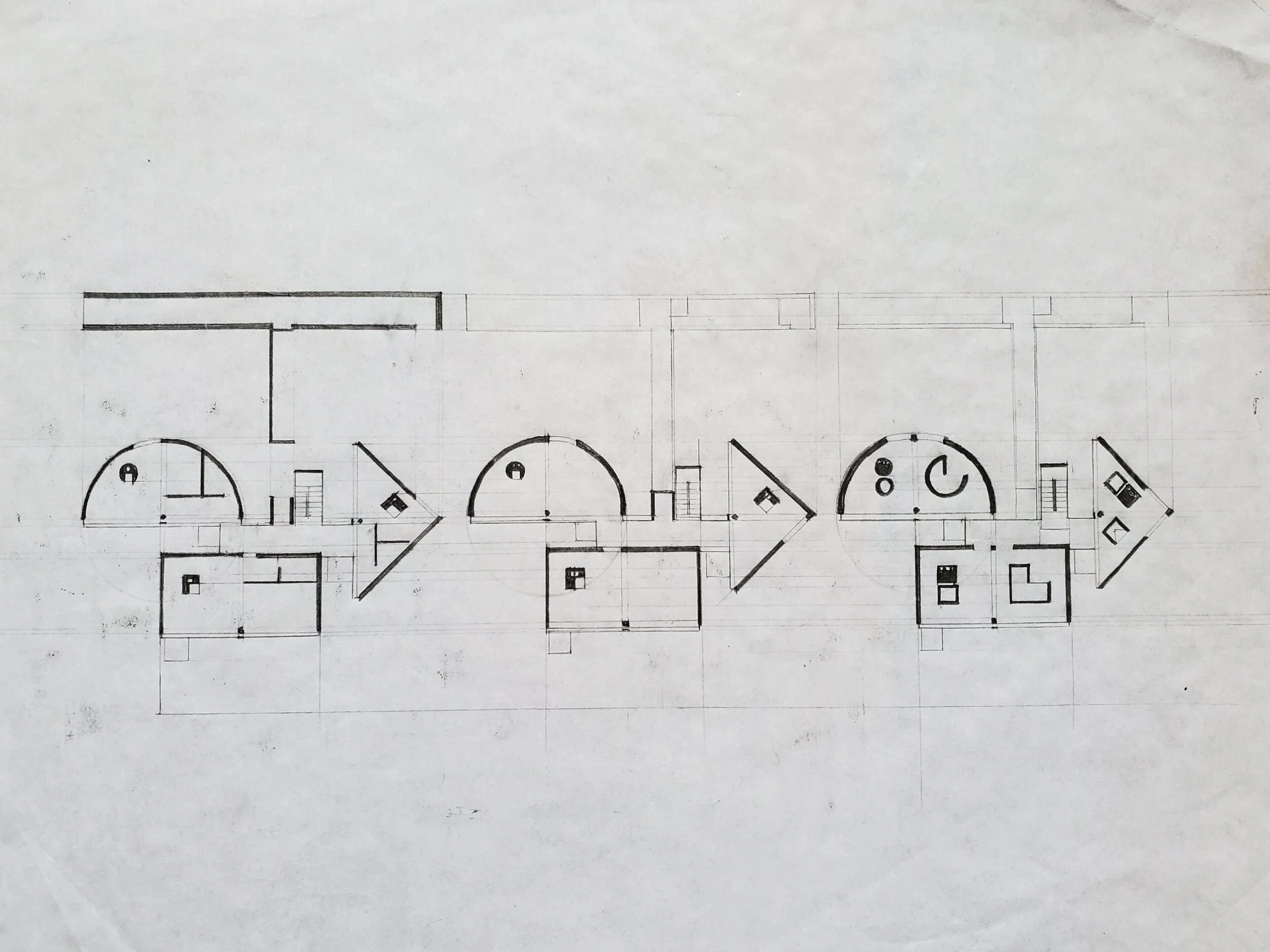
Analysis of John Hejduk Wall House 2012
The Cooper Union Foundation Building further exemplifies this condition. Renovated under John Hejduk in 1974 during his tenure as Dean of the School of Architecture, the building underwent a substantial interior transformation while its exterior was preserved in accordance with landmark standards. This intervention produces a spatial and temporal disjunction. The preserved facade maintains the visual continuity of the institution’s historical identity, while the reconstructed interior reflects a different architectural and pedagogical moment. The building embodies a layered condition in which historical representation and contemporary reality coexist without full reconciliation.
In this sense, the Foundation Building operates as a microcosm of the broader argument. The preservation of the facade sustains an image of continuity, yet this continuity is not materially or experientially complete. Instead, it must be actively reconstructed—conceptually and narratively—by those who inhabit the institution. The memory of The Cooper Union, like that of the city at large, is therefore not continuous but assembled. It is produced through fragments—architectural, institutional, and symbolic—that require interpretation to form a coherent narrative.
Conclusion
Across the three scales examined—urban enclave, individual building, and institution—the same structural condition emerges: the separation of signifier from signified through the preservation of the facade.
In Chinatown, Manhattan, a neighborhood shaped by exclusion, labor, and adaptation is increasingly represented through a curated visual language of cultural identity. The material conditions that produced the enclave—overcrowded housing, factory labor, and mutual aid networks—are condensed into legible images that circulate within tourism and global capital. Continuity is suggested through appearance, while the underlying socio-economic transformations remain obscured.
At the scale of the Forward Building, this condition becomes more acute. The facade persists as a signifier of labor politics and socialist ideology, while the building’s present use as luxury housing reflects a fundamentally different economic structure. The building embodies a temporal disjunction in which historical meaning is preserved as surface but displaced in practice.
Within The Cooper Union, the contradiction operates at the level of institutional identity. Founded on the principle of free education for the working class, the institution continues to signify egalitarian access. Yet the material conditions required to participate—particularly the cost of living in New York City—produce uneven accessibility. The ideal of “free education” persists as a powerful signifier, even as its realization is mediated by broader economic constraints. The Cooper Union Foundation Building reinforces this condition architecturally: a preserved facade maintains the image of continuity, while the reconstructed interior reflects a different institutional and pedagogical reality.
Through the lens of Fredric Jameson, these conditions can be understood as a breakdown in the signifying chain. Historical meaning no longer emerges through temporal continuity but through isolated, reified images. The city becomes a landscape of legible fragments—coherent in appearance yet disconnected in substance. Crucially, this is not a neutral condition. The simulation of continuity produced through preservation operates as a political and cultural instrument. By stabilizing selective narratives of the past, it shapes collective memory while obscuring the processes of displacement, economic restructuring, and social transformation that define the present. What is preserved, therefore, is not history itself, but a representation of history—one that can be consumed, circulated, and instrumentalized. To move beyond this condition requires a reconceptualization of preservation. Rather than privileging the facade as a primary carrier of meaning, preservation must engage architecture as a temporal and social construct—one that includes use, labor, occupation, and change. Without this shift, the built environment will continue to produce what Jameson describes: a perpetual present composed of images that simulate continuity while displacing the very histories they claim to preserve.
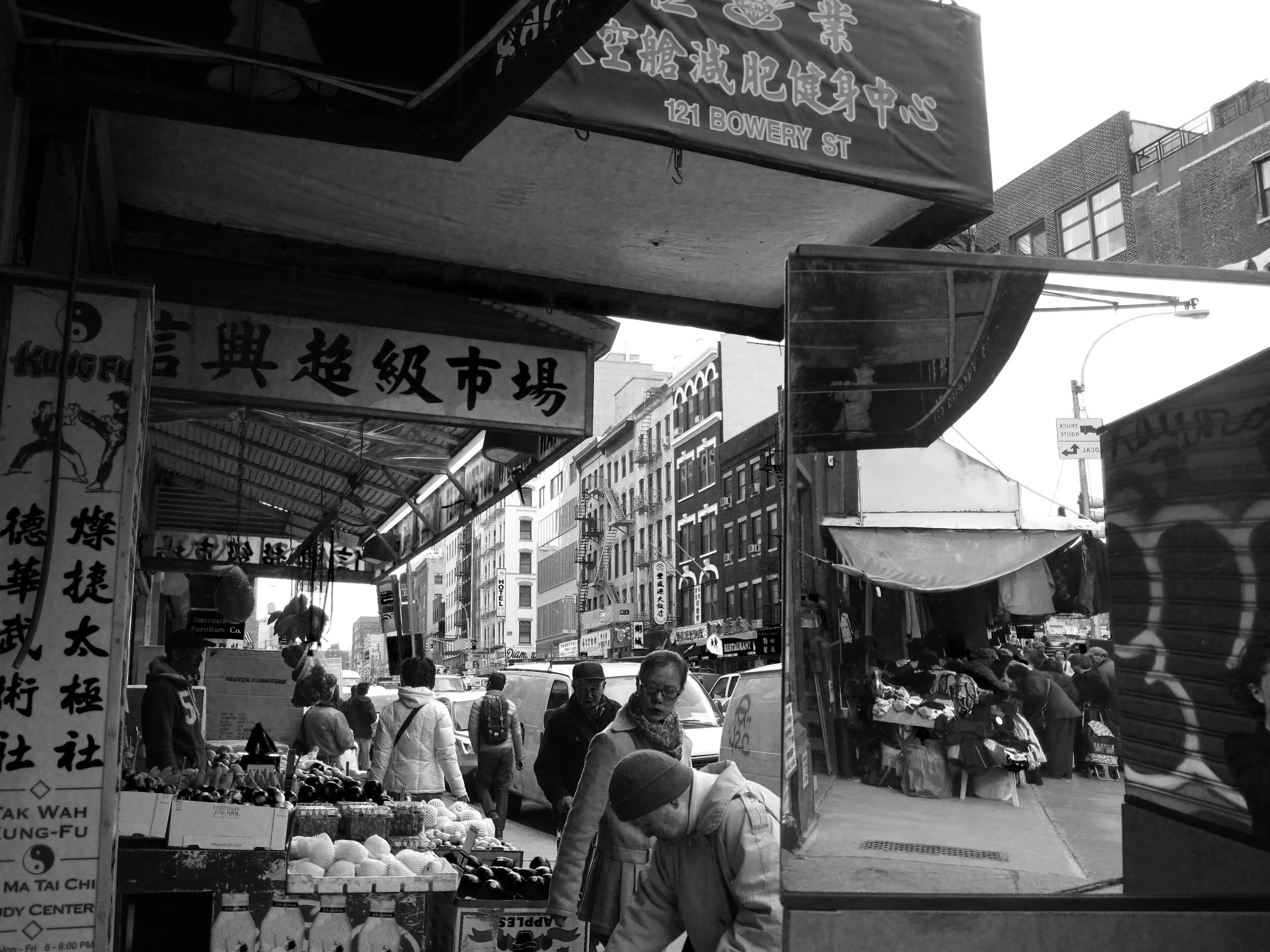
Film Still of “Schizophrenic Crossroad, Chinatown Manhattan” 2013
Download a version of the Thesis Book Here:
https://drive.google.com/open?id=0ByzJKXbHuvWhT2tKVXpaVnVVWHVaNl91MnJJVTVnOFVFZkhV
Further Readings Online:
Jameson, Fredric. Postmodernism, or, The Cultural Logic of Late Capitalism. Durham: Duke University Press, 1991.
Jameson, Fredric. “Postmodernism and Consumer Society.” In The Anti-Aesthetic.
Lacan, Jacques. Écrits. New York: W.W. Norton, 2006.
U.S. Department of the Interior. Standards for the Treatment of Historic Properties.
Lin, Jan. Reconstructing Chinatown. Minneapolis: University of Minnesota Press, 1998.
Gilles Deleuze and Félix Guattari, Anti-Oedipus: Capitalism and Schizophrenia (Minneapolis: University of Minnesota Press, 1983).
Edward Winters, Aesthetics and Architecture (London: Bloomsbury, 2007).
Last Updated: 2026-08-14 14:39